
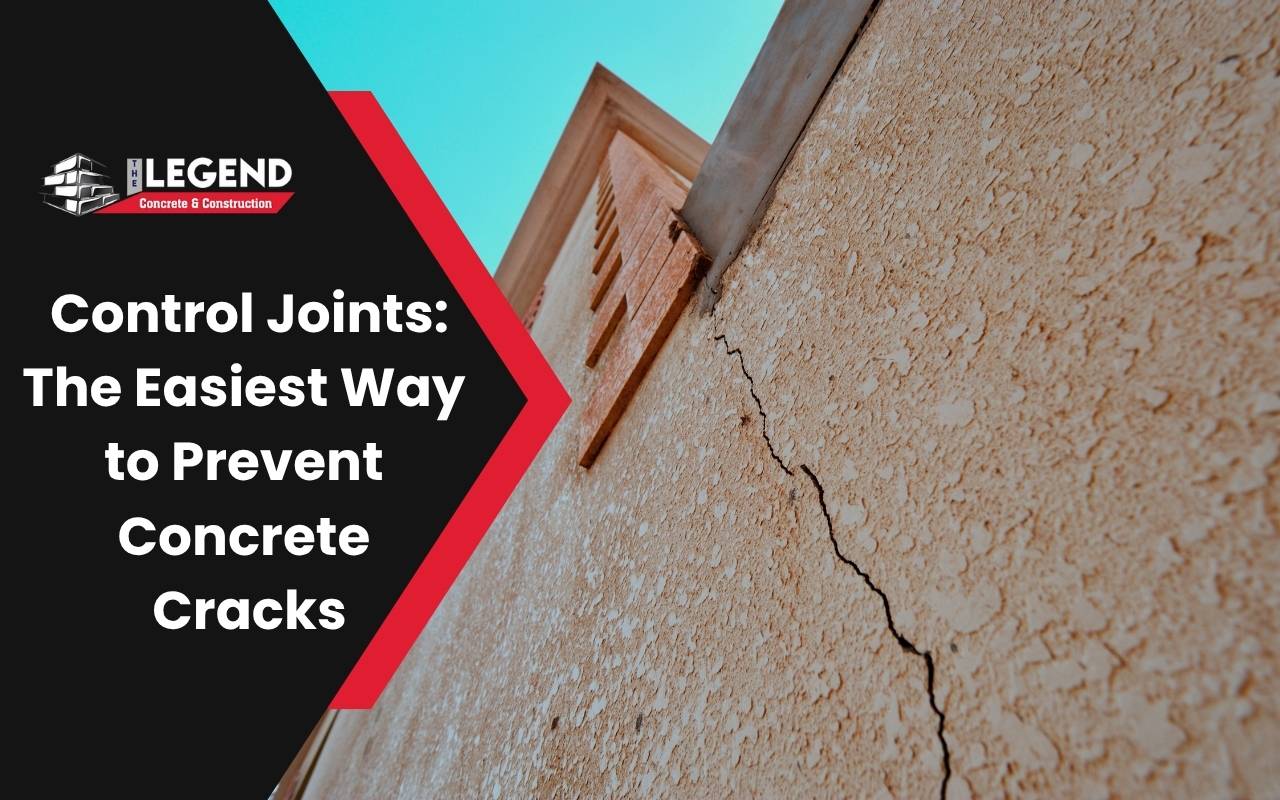
Cracking might just be a sign of character when it comes to aged cheese or fine leather, but when it comes to concrete, those fissures can lead to significant problems. In construction, achieving a smooth surface requires patience and precision. Control joints play a key role in this process. These essential elements of concrete crack prevention joints allow for expansion and contraction without visible damage. By understanding how to use them, you maintain both the integrity and aesthetics of your project. When considering services, these techniques can make a major difference in results.
Careful planning of joint spacing, saw-cut timing, and dowels ensures your slab remains durable. Each factor helps manage stress effectively and prevents cracking before it starts. Mastering these techniques enhances construction longevity and provides a safer, long-lasting surface. Join us as we explore how foresight and technique create lasting concrete structures.
Importance of Control Joints in Concrete Construction
Control joints are deliberate cuts that guide where cracks appear and relieve internal stress. As concrete cures, it naturally shrinks. Without planned paths for this movement, random cracks form and damage the surface. Incorporating concrete crack prevention joints early in the process ensures cracks follow clean lines instead of random directions.
Beyond preventing random damage, these joints promote safety and durability. Cracks can trap debris, create tripping hazards, or allow water to penetrate. Straight, properly placed joints simplify maintenance and protect the slab’s strength. Contractors benefit from faster finishing and consistent results.
Financially, strategic joint planning pays off. Repairs from random cracks can be expensive. Using proper joint spacing, accurate saw-cut timing, and correct placement of dowels reduces repair costs over time. Whether for driveways, patios, or industrial floors, control joints remain an essential method of concrete crack prevention joints.
Understanding the Mechanism Behind Concrete Cracks
Concrete may look solid, yet it expands and contracts with temperature and moisture changes. When freshly poured, it contains water that evaporates as it cures. This shrinkage creates tension inside the slab. If there’s no room for movement, cracks will form once stress exceeds tensile strength. These cracks follow the weakest path, often near edges or irregularities.
Proper surface preparation minimizes such issues. A smooth, uniform base helps reduce random cracking. By understanding how stress works, builders can use concrete crack prevention joints to channel shrinkage cracks neatly and avoid surface damage. When executed correctly, this process keeps slabs strong and stable for years.
Factors Influencing Control Joint Spacing
- Keep joint spacing about 24–36 times the slab thickness in inches.
- Adjust spacing based on temperature, load, and local conditions.
- Use closer joints in areas with freeze-thaw cycles or heavy traffic.
Joint spacing directly affects how effectively control joints prevent cracking. If placed too far apart, the slab may fracture between the joints. If too close, it may weaken structurally. Always evaluate environmental factors and expected loads before setting the final spacing for optimal concrete crack prevention joints.
Saw-Cut Timing Techniques for Optimal Results
- Cut when the concrete is strong enough to hold edges but still soft enough to slice.
- Typically, 4–12 hours after pouring is ideal, depending on temperature.
- Test by walking lightly on the surface before sawing.
Saw-cut timing affects both appearance and effectiveness. Cutting too early causes surface raveling. Waiting too long can lead to random cracks. The right timing ensures clean lines that enhance concrete crack prevention joints. Adjusting your timing according to weather and mix design helps achieve perfect results.
Strategic Placement of Dowels for Enhanced Stability
Dowels maintain alignment and load transfer between slabs. Without them, panels may settle unevenly, creating bumps or hazards. Proper placement allows horizontal movement while preserving vertical alignment. Even spacing every 12–18 inches works well. Cover dowels with sleeves to prevent bonding and corrosion. By combining dowels with good joint spacing and saw-cut timing, you get a stable, safe, and reliable surface.
Best Practices for Maintaining Concrete Surfaces
- Clean control joints at least twice a year with a wire brush or compressed air.
- Seal joints and surfaces using flexible sealants for concrete.
- Avoid harsh chemicals and de-icing salts that cause erosion.
Maintenance keeps joints functioning properly and extends concrete lifespan. Regular cleaning removes debris that restricts movement. Sealing adds protection against moisture and wear. Use sealants compatible with concrete crack prevention joints. This care keeps your surfaces strong, safe, and attractive. For professional maintenance guidance, you can easily contact experts for personalized advice.
The Role of Control Joints in Longevity and Durability
Durable concrete resists cracking and uneven settlement. Control joints provide planned paths for stress relief. By guiding where cracks appear, they protect structural strength. Sealing these joints prevents water infiltration, reducing frost or erosion damage. Together, these measures support longevity and ensure the surface remains dependable and visually appealing.
Achieving Aesthetic Appeal Through Proper Crack Prevention
Control joints not only protect but also enhance design. Evenly spaced joints form pleasing patterns. Random cracks look unprofessional and reduce aesthetic value. Planning joints to follow architectural lines improves appearance. Decorative scoring and matching sealants transform functional joints into design features that complement modern patios, showrooms, or driveways. Effective use of concrete crack prevention joints balances form and function beautifully.
Common Mistakes to Avoid in Control Joint Implementation
Skipping joints to save time often leads to random cracking. Improper saw-cut timing causes jagged or misaligned lines. Neglecting dowels results in uneven panels. Always adhere to best practices for dowels, joint spacing, and saw-cut timing to achieve consistent, professional outcomes. Attention to these details ensures durable, lasting concrete crack prevention joints.
FAQs About Control Joints and Crack Prevention
Why are control joints important in concrete construction?
They guide cracks to specific locations, preventing random damage and preserving the slab’s integrity.
When should saw cuts be made?
Ideally within 4 to 12 hours after pouring, once the surface can support light weight without raveling.
How far apart should control joints be placed?
Follow the general rule: 24 to 36 times the slab thickness in inches, adjusting for conditions.
Do dowels improve concrete performance?
Yes, dowels maintain slab alignment and improve load distribution, ensuring smoother, safer surfaces.
How can I maintain my concrete joints?
Clean them regularly, remove debris, and seal them with flexible materials to prevent moisture damage.
Ensuring Lasting Structures with Control Joints
Proper control joints make the difference between a flawless slab and a cracked one. By following best practices for joint spacing, saw-cut timing, and dowel placement, builders can prevent stress-related issues effectively. These small measures lead to stronger, safer, and more beautiful structures. For expert support and customized services, reach out to professionals who specialize in concrete crack prevention joints. With the right planning, your concrete will stay smooth, strong, and elegant for years to come.